Breast implant placement describes where an implant sits in relation to the pectoralis major, the large muscle across the front of the chest. There are three main options: over the muscle, under the muscle, and a variation called dual plane. None of them is right for everyone. The most suitable plane depends on your anatomy, how much natural tissue you have to cover the implant, and what you hope to achieve, and it is worked out with your surgeon at consultation.
Women considering breast augmentation often come in already leaning one way, usually because of something a friend said or a thread they read online. That’s fair enough. Still, each placement has trade-offs for appearance, recovery, mammograms and long-term risk, and the research hasn’t settled on one best option. Below we go through what each one involves, what studies have found so far, and how the choice usually gets made.
What does breast implant placement mean?
Breast implant placement is the pocket the implant sits in. In subglandular placement the implant sits over the muscle, directly behind the breast tissue; in submuscular placement it sits under the pectoralis major; and dual plane is a variant of under-the-muscle placement in which the upper part of the implant is covered by muscle and the lower part by breast tissue only.
You may also come across the term subfascial. This is a form of over-the-muscle placement where the implant sits beneath the thin fascia (connective tissue layer) covering the muscle. Some surgeons group subglandular and subfascial together under the umbrella term “prepectoral”.
It also helps to know that “under the muscle” is rarely completely under the muscle. The pectoralis major doesn’t cover the lower and outer part of the breast, so most under-the-muscle pockets are partly covered by breast tissue anyway. That anatomical reality is part of why the dual plane approach developed.
Over the muscle (subglandular) placement
Over-the-muscle placement puts the implant between the breast tissue and the pectoralis major, leaving the muscle undisturbed. Its main appeal is a recovery that is often more comfortable and the absence of animation deformity, because the muscle doesn’t move the implant when it contracts.
The trade-off is soft-tissue cover. With only breast tissue, fat and skin over the implant, its edges may be easier to see or feel, particularly in slim women. Rippling (visible or palpable folds in the implant surface) is more likely when the covering tissue is thin. Many surgeons use an upper-breast “pinch test” during examination to gauge how much soft tissue covers the upper breast. A thin pinch generally points towards muscle cover, but it is only one part of the assessment.
Capsular contracture is the other key consideration. This is when the scar tissue capsule that naturally forms around every implant tightens and makes the breast firm, misshapen or painful. Published literature reports higher capsular contracture rates with subglandular placement than with submuscular placement. A 2026 meta-analysis of 91 studies (51,524 patients), published in Aesthetic Plastic Surgery, reported 6.85% for subglandular, 2.80% for subfascial, 1.99% for dual plane and 1.83% for submuscular placement. These are pooled figures from studies with different implants, techniques and follow-up times, so they can’t predict what will happen to any one person.
Imaging matters as well. Implants can hide part of the breast tissue on a mammogram, and research suggests this may be more pronounced when the implant sits directly behind the breast tissue. We cover this in more detail below.
Who over-the-muscle placement may suit
Over-the-muscle placement may suit women who already have a reasonable amount of natural breast tissue to cover the implant. It is sometimes considered for women with mild breast droop, those who want to avoid any muscle involvement, or those whose work or sport places heavy demands on the chest muscles. Whether you have enough tissue cover is something your surgeon assesses by examination, not something a photo or online quiz can tell you.
Under the muscle (submuscular) placement
Under-the-muscle placement positions the implant beneath the pectoralis major, giving the upper part of the implant an extra layer of cover. This added tissue is generally associated with less visible edging and a lower risk of rippling in the upper breast, especially for slimmer women.
Pooled studies, including those mentioned earlier, also link this approach with lower capsular contracture rates. Mammograms may be a little easier too, since more breast tissue can usually be drawn forward and away from the implant during imaging.
This approach has its drawbacks, though. The muscle has to be lifted or partly released, so the first few weeks tend to be sorer than with an implant placed over the muscle. How much discomfort someone feels differs a lot from one woman to the next.
The best-known trade-off is animation deformity. This is a visible change in breast shape, or movement of the implant, when the chest muscle contracts, for example during push-ups, lifting or certain gym exercises. Dyrberg and colleagues looked at this in a 2019 review in Archives of Plastic Surgery. Only four studies met their criteria, and across them a median of 58% of patients showed some animation after under-the-muscle placement, with the highest rates (73% to 78%) seen after dual plane and Regnault techniques. The authors also noted that the more muscle is involved, the more pronounced the animation tends to be. It’s worth weighing up before you decide, especially if you train hard or compete.
Dual plane placement
Dual plane placement is a variant of under-the-muscle placement. The upper portion of the implant sits beneath the muscle, while the lower portion sits directly behind the breast tissue. The technique was described by plastic surgeon John Tebbetts in 2001, and it aims to keep muscle cover in the upper breast while letting the implant fill the lower breast for a more natural lower curve.
To do this, the lower attachment of the pectoralis major is released and, depending on the breast type, the breast tissue may be separated from the muscle surface to varying degrees. This flexibility is one reason dual plane approaches are widely used, including for some women with mild droop or a tight lower breast.
Because the muscle is still involved, animation deformity can happen with dual plane too, and the early weeks may be sore. In the 2026 pooled analysis, its capsular contracture rate (1.99%) sat close to that of full submuscular placement (1.83%). Whether it suits you comes down to your own anatomy and goals.
How is the right placement chosen?
The right placement is chosen through a clinical assessment, not a preference set in advance. Your surgeon will look at the thickness of your breast tissue (especially in the upper breast), chest wall width and shape, skin quality and elasticity, any existing droop or asymmetry, your activity level, and the look you’re hoping for. Implant size and shape are part of the same conversation, because a larger implant needs more cover.
Lifestyle comes into it too. For active people and athletes, there is no single correct answer. Over-the-muscle placement avoids animation deformity and leaves the muscle intact, which some athletes prefer. Women with very little body fat, though, may have too little natural tissue for over-the-muscle placement to look smooth, in which case muscle cover may be recommended. Weighing these competing factors is a large part of the consultation.
For anyone considering cosmetic surgery in Australia, the Medical Board of Australia sets out clear steps. You need a referral, preferably from your usual GP (or, if that is not possible, from another GP or a specialist medical practitioner). You must have at least two pre-operative consultations, and at least one must be in person with the surgeon who will operate. After those two consultations and once you have given informed consent, there is a cooling-off period of at least seven days before surgery can be booked or a deposit paid. This gives you time to think, ask questions and change your mind if you wish.
Some women decide during this process that implants aren’t right for them. Fat transfer breast augmentation, which uses your own fat, is an alternative for those seeking a more modest change, and it can be discussed at consultation.
Placement, recovery and “dropping and fluffing”
Implants placed under the muscle often sit high and feel tight at first, then gradually settle as the muscle and skin relax. This process is sometimes called “drop and fluff”. The American Society of Plastic Surgeons notes that the entire drop and fluff process can take three to six months to complete, although timing varies from person to person.
In the first weeks, it’s common for the top of the breast to look fuller than you expected and the lower part a bit flat. That usually changes as the swelling goes down. Implants over the muscle may settle a little sooner, though any placement needs time for the swelling to ease and the tissues to adjust.
Recovery depends on the individual, the procedure and the placement, so it’s best not to rely on general timeframes from the internet. Your surgeon will give you specific advice about pain relief, garments, returning to work, and when to resume exercise, especially chest-based training.
Risks to weigh with any placement
Any surgical or invasive procedure carries risks. Placement choice can shift the balance of some implant-related risks, but it cannot remove them. General surgical risks include bleeding, haematoma, infection, anaesthetic reactions, poor scarring and asymmetry.
Implant-related risks include capsular contracture, rippling and visible edges, animation deformity with under-the-muscle placement, implant malposition, rupture, and changes in nipple or breast sensation, which may be temporary or permanent. Breast implants are not lifetime devices, and many women will need further surgery at some point, such as breast implant replacement or removal. You can read more about how long breast implants last in our separate article.
Two conditions deserve specific mention. Breast implant-associated anaplastic large cell lymphoma (BIA-ALCL) is a rare cancer of the immune system, not breast cancer. According to the Therapeutic Goods Administration (TGA), the risk increases with greater texturing of the implant surface, and there are no confirmed cases in Australia in people who have had only smooth implants. Breast implant illness (BII) is a term for a range of systemic symptoms some people attribute to their implants. The TGA notes these symptoms have been reported with all implant types, and their association with implants is still being investigated.
Mammography is part of long-term care. BreastScreen WA advises that most women with breast implants can have regular screening mammograms, and that you should tell the service about your implants when booking. Special displacement views are used to image as much breast tissue as possible. Healthdirect notes that implants can make breast cancer harder to detect during screening, so ongoing breast checks with your GP remain important.
The Australian Breast Device Registry (ABDR) records breast device surgery nationally to help monitor long-term safety. Australian surgeons are encouraged to contribute, and you can ask about the ABDR at your consultation.
For a fuller discussion, see our article are breast implants safe. Your individual risks will be discussed in detail at consultation. You may also wish to seek a second opinion from an appropriately qualified health practitioner before proceeding.
Why choose Dr Anh for breast augmentation in Perth
Dr Anh Nguyen is a female Specialist Plastic Surgeon based in Perth. She holds an MBBS (Hons) from the University of Melbourne and a Postgraduate Diploma in Surgical Anatomy (PGradDipSurgAnat). She was awarded Fellowship of the Royal Australasian College of Surgeons in Plastic and Reconstructive Surgery, FRACS (Plast), in 2010. She is registered with AHPRA as a Specialist Plastic Surgeon (registration number MED0001193810) and is a member of the Australian Society of Plastic Surgeons (ASPS) and the Australasian Society of Aesthetic Plastic Surgeons (ASAPS).
Dr Anh combines surgical training with a compassionate approach, and gives each patient individualised attention. In March 2023 she was inducted into the Western Australia Women’s Hall of Fame for her contribution to healthcare. She was also named Business Entrepreneur of the Year WA at the Telstra Business Women’s Awards in 2017.
At consultation, Dr Anh examines your breast tissue, chest wall and skin. She talks through placement and implant options, including their trade-offs and risks, and explains the two-consultation process and cooling-off period required in Australia. The aim is for you to have the time and information you need to make a decision that is right for you.
Dr Anh is listed with these professional bodies:
- Australasian Board Certified Plastic Surgeons (ANZBCPS): https://boardcertified.org.au/surgeon/anh-nguyen/
- Australian Society of Plastic Surgeons (ASPS): https://plasticsurgery.org.au/surgeon/dr-anh-nguyen/
- Australasian Society of Aesthetic Plastic Surgeons (ASAPS): https://aestheticplasticsurgeons.org.au/surgeon/anh-nguyen/
Follow Dr Anh on Facebook (https://www.facebook.com/DrAnhNguyen/) and Instagram (@dranhnguyen).
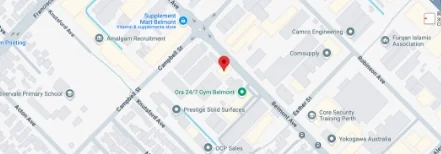
To arrange a consultation, call (08) 9322 2659 or email enquiries@dranh.com.au. The clinic is at 88 Belmont Ave, Rivervale WA 6103. Please remember to bring your GP referral.
Frequently asked questions
Are breast implants better over or under the muscle?
It depends on the person. Implants over the muscle generally avoid animation deformity, and recovery is often easier. Implants under the muscle get an extra layer of cover, and studies link them with lower capsular contracture rates. Your tissue thickness, build and goals decide which makes more sense for you.
What is dual plane breast augmentation?
Dual plane breast augmentation is a type of under-the-muscle placement in which the upper part of the implant sits beneath the pectoralis muscle and the lower part sits directly behind the breast tissue. It aims to combine upper-breast muscle cover with a natural lower breast shape. It was described by Dr John Tebbetts in 2001.
Does implant placement affect capsular contracture?
It seems to. Pooled studies have found capsular contracture happens more often when implants sit over the muscle (subglandular) than under it or in a dual plane pocket. Plenty of other things play a part as well, and no placement takes the risk away completely.
Is recovery harder with under-the-muscle implants?
Recovery is often more uncomfortable in the early weeks with under-the-muscle implants, because the chest muscle is lifted or released. Implants may also sit high and feel tight before settling over several months. Experiences vary, and your surgeon will give you individual recovery advice.
Can I still have a mammogram with breast implants?
Yes, most women with breast implants can have screening mammograms. Tell the screening service about your implants when booking, as extra displacement views are used to see more breast tissue. Implants can hide some tissue, and the literature suggests this may be more of an issue with over-the-muscle placement.
Which placement suits active people or athletes?
There is no single right placement for active people. Over-the-muscle placement avoids animation deformity during chest exercise, but very lean women may lack enough tissue to cover the implant smoothly. Your surgeon will weigh your sport, training and anatomy at consultation.
Further reading
- How long does it take to recover from breast augmentation surgery?
- Breast augmentation with breast implants or fat transfer
- Are breast implants safe?
- How long do breast implants last?
Medical references
- Therapeutic Goods Administration (TGA), Breast implant hub
- TGA, Breast implant associated cancer: consumer information
- TGA, Breast implant illness
- Medical Board of Australia, Guidelines for registered medical practitioners who perform cosmetic surgery and procedures
- healthdirect, Breast augmentation (breast implants)
- Australian Breast Device Registry (ABDR)
- Australian Society of Plastic Surgeons, Breast augmentation (implants)
- BreastScreen WA, Women with breast implants
- Mayo Clinic, Breast augmentation
- Cleveland Clinic, Breast augmentation
- American Society of Plastic Surgeons, What does “drop and fluff” mean after breast augmentation?
- Li S et al. Complications following subpectoral versus prepectoral breast augmentation: a meta-analysis. Aesthetic Plast Surg. 2019;43:890-898
- Implant pocket plane selection in primary breast augmentation: a meta-analysis and systematic review of complication profiles. Aesthetic Plast Surg. 2026
- Dyrberg DL et al. Breast animation deformity. Arch Plast Surg. 2019
- Tebbetts JB. Dual plane breast augmentation: optimizing implant-soft-tissue relationships in a wide range of breast types. Plast Reconstr Surg. 2001;107(5):1255-1272
- Institute of Medicine (US), Safety of Silicone Breast Implants, Chapter 12: Silicone implants and breast imaging
Disclaimer: This article is general information only and can’t replace advice about your own situation. Any surgical or invasive procedure carries risks, and results and recovery differ between people. Talk to a qualified health practitioner before you decide on treatment.