Safety is the question I hear most often in consultations, and I hear it from two very different groups: women who are considering breast augmentation for the first time, and women who had surgery years ago and are now worried about something they read online. Both deserve a straight answer, not a brochure.
Here’s the honest picture. Implants used here in Australia are TGA-regulated, and for most patients they’re a safe choice. But they do carry genuine risks. A few of those are common and easy to manage, one is rare but serious, and one we still don’t completely understand. I’d be doing you a disservice if I skipped past any of them.
So let me take the three worries head on: capsular contracture, BIA-ALCL, and breast implant illness, or BII. Everything here sticks to what the TGA currently advises. It’s also just how I run things day to day at my Perth clinic, from the surgery itself right through to the years of follow-up after.
Are Breast Implants Safe?
Yes, with important qualifications.
Breast implants used in Australia must be listed on the Australian Register of Therapeutic Goods (ARTG) before a surgeon can use them. The TGA monitors safety data continuously. Modern smooth and micro-textured implants, which are what most patients receive today, carry a low risk of serious complications.
That said, they are devices inside your body. They do not last forever. The capsule that your body forms around any implant can sometimes contract and cause problems. A very rare cancer called BIA-ALCL has been linked to textured implants, and some women report systemic symptoms they attribute to their implants. None of this is a reason to panic, but all of it is a reason to be well-informed before you decide.
The four things that matter most for Australian patients right now:
- All implants used here must be on the ARTG. The TGA has already removed the highest-risk textured implants from that list.
- The Australian Breast Device Registry (ABDR) tracks implanted patients nationally. If there is a safety signal with a specific device, registered patients can be contacted directly.
- The TGA cancelled all breast implants containing micro-transponders from the ARTG in October 2025. Women who have these implants and have no symptoms do not need to have them removed.
- Regular post-operative review is not optional. It is part of safe implant care.
What Can Actually Go Wrong
Before getting into the three headline conditions, it is worth laying out the full picture. Most of these risks apply to any operation, not just breast surgery.
Bleeding, infection, and anaesthetic reactions are general surgical risks. They are managed through careful technique, but they cannot be reduced to zero. Scarring happens with every incision. Asymmetry is common after breast surgery, whether or not implants are involved.
Then there’s a separate group of problems tied to the implant itself. Capsular contracture is the one I see most. Rupture is possible too, although today’s cohesive silicone shells hold up far better than the older ones did. Rippling, which is when you can see or feel the implant edge through the skin, tends to show up in thinner patients or when the implant sits above the muscle. And sometimes an implant drifts out of position over the years, which now and then means a revision.
Then there are the changes that come with life. Pregnancy, breastfeeding, significant weight fluctuation, and age all affect how breasts with implants look and feel over time. Sensation in the nipple or breast skin can change after any breast surgery, sometimes temporarily, sometimes permanently.
At the more serious end: BIA-ALCL, an immune-system cancer linked to textured implants, and extremely rare cases of a condition called BIA-SCC (breast implant-associated squamous cell carcinoma). And some patients report systemic symptoms grouped under the term breast implant illness, or BII.
Informed consent, choosing the right surgeon, and staying on top of long-term follow-up are the best tools you have for managing these risks. The US FDA has a detailed breakdown of breast implant risks and complications if you want to read further.
What Is Capsular Contracture?
Capsular contracture is the most common implant-related complication, and it is also one of the most misunderstood.
Think of it this way. Put anything foreign inside the body and the body wraps it in scar tissue. That’s normal. Around an implant, that wrapping is called the capsule. Usually it stays soft and thin and you never know it’s there. But in a minority of women it begins to clamp down on the implant, slow and steady, a bit like a fist closing. Once that sets in, the breast can go firm, lose its shape, or start to hurt. causes any trouble. In a smaller number of cases, though, the capsule starts to tighten around the implant, almost like a fist closing very slowly. When that happens the breast can feel firm, look misshapen, or turn uncomfortable and even painful.
It is graded on the Baker scale, which runs from I to IV:
Grade IISlightly firm but looks normal.Grade IIIFirm, visibly distorted, may appear spherical or sit too high.Grade IVHard, visibly distorted, and painful.
| Grade | What it means |
|---|---|
| Grade I | Soft, natural-feeling breast. Normal. |
| Grade II | Slightly firm but looks normal. |
| Grade III | Firm, visibly distorted, may appear spherical or sit too high. |
| Grade IV | Hard, visibly distorted, and painful. |
Grade I and II usually do not need treatment. Grade III and IV do.
Why does it happen?
No single cause explains every case. The leading theory is biofilm, which means a thin layer of bacteria colonising the implant surface at the time of surgery without triggering an obvious infection. Other contributing factors include blood or fluid collecting around the implant post-operatively, and the implant’s surface texture and position. Women who have had chest radiotherapy, typically in the setting of breast reconstruction after cancer, have a higher capsular contracture rate.
What the treatment involves
Grade III and IV contracture usually requires surgery. That means a capsulectomy, which is removing the scar tissue capsule, almost always combined with implant exchange. It is not a minor procedure. Recovery time is similar to the original augmentation. If you are looking at revision surgery, it is worth reading about how long breast implants last alongside this article.
What Is BIA-ALCL?
BIA-ALCL stands for breast implant-associated anaplastic large cell lymphoma. It is a cancer of the immune system, not of the breast. It develops in the fluid and scar tissue around a breast implant, not in the breast tissue itself. That distinction matters.
It is rare. And it is strongly associated with textured implants, particularly those with the roughest surfaces. The TGA published risk estimates based on Australian cases reported to the end of 2021:
Macro-texturedApproximately 1 in 2,400Micro-texturedApproximately 1 in 18,000SmoothNo confirmed Australian cases in patients with smooth implants only
| Implant surface | Estimated BIA-ALCL risk |
|---|---|
| Polyurethane-coated | Approximately 1 in 1,800 |
| Macro-textured | Approximately 1 in 2,400 |
| Micro-textured | Approximately 1 in 18,000 |
| Smooth | No confirmed Australian cases in patients with smooth implants only |
Polyurethane-coated and macro-textured implants are no longer on the ARTG. They were suspended or cancelled from 2019 onwards, specifically because of this risk. The vast majority of breast augmentations performed in Australia today use smooth or micro-textured implants.
What to watch for
The usual first sign? Swelling, from fluid pooling around the implant, which we call a late seroma. Most show up years later, often around the eight-year mark. Sometimes it’s a lump near the breast or armpit, a skin change, or an unexplained ache instead.
New swelling in an implanted breast needs prompt review. Do not sit on it until your next annual check.
Diagnosis, treatment, and outcomes
Mammography does not detect BIA-ALCL. Diagnosis is by ultrasound, followed by aspiration of the fluid and laboratory analysis. Treatment is surgical: removal of the implant and en-bloc capsulectomy, meaning the entire capsule is removed intact. Around 80% of cases are caught while the disease is still confined to the fluid around the implant, and cure rates in those early cases are excellent. Four deaths from BIA-ALCL have been recorded in Australia to date.
The 2019 suspensions and what came after
In 2019 the TGA suspended a range of textured implants and tissue expanders linked to the highest BIA-ALCL rates. Several models were later formally cancelled from the ARTG. In October 2025, the TGA cancelled all breast implants containing micro-transponders. Women who already have these implants and have no symptoms are not being advised to have them removed. The surgical risk of taking them out is, for most asymptomatic patients, higher than their absolute risk of BIA-ALCL.
Other Rare Cancers: BIA-SCC
The TGA and ASPS have noted extremely rare cases of BIA-SCC (breast implant-associated squamous cell carcinoma) and a small number of other lymphomas found in tissue around breast implants worldwide. The numbers are very small. These are not BIA-ALCL, and they are not breast cancer.
The key message is the same regardless of which rare condition we are talking about: any new swelling, lump, skin change, or unexplained pain around a breast implant warrants a review with a specialist plastic surgeon. Not a GP phone consult. A proper review.
What Is Breast Implant Illness?
This one requires a different kind of honesty.
Breast implant illness, or BII, is the term used by patients to describe a wide range of symptoms some women develop after receiving breast implants. Fatigue that does not go away. Joint and muscle pain. Brain fog. Hair loss. Rashes. Sleep problems. Anxiety. The list is long and varied.
BII is not currently a recognised medical diagnosis. There is no agreed set of diagnostic criteria, no blood test that confirms it, no single mechanism that explains it. That is the honest position.
What is also true is that some women with these symptoms improve after having their implants removed. That observation is real even if the mechanism behind it is not yet understood. Research is ongoing. The TGA monitors adverse event reports that include systemic symptoms. Dismissing BII as imagined, as some practitioners still do, is not consistent with the evidence and is not how I approach it.
When a patient comes to me with symptoms she believes are related to her implants, I take a full symptom history. I refer for medical investigation where it is clinically appropriate to rule out other causes first, because many of the symptoms attributed to BII overlap with thyroid disorders, autoimmune conditions, and other diagnoses that need to be excluded. Explant surgery, including en-bloc capsulectomy where appropriate, is a conversation I will have with any patient who has thought it through and wants to explore that option. More information on breast implant removal is available on the website.
Are Silicone Implants Specifically Safe?
Yes, based on the current evidence.
The concerns about silicone implants date back to the early 1990s, when the US FDA placed a moratorium on silicone gel implants for cosmetic use. Studies were commissioned; evidence was gathered. Silicone implants were re-approved by the FDA for cosmetic augmentation in 2006, and Australian regulatory guidance has aligned with that evidence. Large studies have not established a causal link between modern silicone implants and connective tissue diseases like lupus, rheumatoid arthritis, or scleroderma, or with breast cancer.
Modern cohesive silicone gel, the kind used in fifth- and sixth-generation implants, does not flow freely if the shell is damaged. The texture is sometimes described as “gummy bear” consistency. The main monitoring concern with silicone implants is silent rupture, where the shell develops a small tear with no obvious external sign. MRI is the most sensitive detection method; high-resolution ultrasound is a practical alternative for routine monitoring.
Saline implants are also TGA-approved. They do not carry a silent rupture risk because a deflated saline implant is immediately obvious. The choice between silicone and saline is mostly about feel and rupture detection, not a safety hierarchy.
Do Breast Implants Cause Cancer?
Breast implants do not cause breast cancer. This is well established.
What breast implants are associated with is BIA-ALCL, which is a cancer of the immune system, not of breast tissue. That distinction is important, because the management, the imaging, and the prognosis are completely different. The extremely rare BIA-SCC cases noted above, and a small number of other lymphomas, have also been reported internationally, though in very small numbers.
There are two practical things worth keeping in mind here:
Implants do get in the way of routine mammograms. Since the implant occupies space, the standard compression views can hide some of the breast tissue sitting behind it. That’s why radiologists often add displacement views, or bring in ultrasound or MRI to fill the gaps. None of this changes the screening schedule you should follow. If anything, keeping up with it becomes even more important rather than less.
Large well-designed studies have not found a causal link between silicone breast implants and connective tissue disease. That question has been researched extensively, including through long-term follow-up studies involving hundreds of thousands of women.
Any new breast symptom needs prompt review, implants or not.
How Breast Implants Are Regulated in Australia
Australia’s framework here is worth understanding, because it is actually quite robust.
The TGA regulates all breast implants through the ARTG. Before any implant can be used here, it has to be assessed for safety and efficacy. The TGA reviews post-market safety data continuously, which is why it was able to act on the textured implant evidence in 2019 and remove higher-risk devices from the register.
The Australian Breast Device Registry (ABDR) sits alongside the TGA as a separate safety mechanism. The ABDR is a national database that records each patient and the specific device implanted, when they consent to registration. It supports long-term safety analysis, and if a safety signal emerges with a specific batch or model, enrolled patients can be contacted directly. Enrolment is not automatic. You have to actively consent.
In my own practice, every woman who has a breast augmentation gets registered with the ABDR on the day of surgery. At the consultation I hand over written TGA safety material covering BIA-ALCL, and every implant I work with sits on the ARTG in good standing. I don’t think of any of that as going above and beyond. For a specialist plastic surgeon it’s simply how things should be done.
The TGA Breast Implant Hub and the ASPS BIA-ALCL information page are the two best independent resources for patients who want to check current guidance themselves. I recommend both.
How to Reduce Your Risk
A few specific, practical steps:
Choose a surgeon with FRACS (Plast) registration and AHPRA specialist registration in plastic and reconstructive surgery. The title “cosmetic surgeon” is not a protected term in Australia. Anyone with a medical degree can use it. FRACS (Plast) requires years of accredited training and a fellowship examination. Ask to see your surgeon’s AHPRA registration before you book anything.
Ask what implant you are getting. Manufacturer, model, batch number, surface texture, and ARTG listing. You are entitled to all of this information.
Ask to be enrolled in the ABDR. Do not assume it will happen automatically.
Keep your follow-up appointments. Around the five to six year point, have a chat with your surgeon about MRI or high-resolution ultrasound checks. That’s the stage where keeping an eye out for silent rupture and BIA-ALCL starts to matter more.
Know the symptoms that require prompt review. Watch for swelling that wasn’t there, a fresh lump, pain that’s new to you, a breast that suddenly feels firmer, any change in the skin, or odd whole-body symptoms you can’t account for. If something like that turns up, ring your surgeon directly rather than a GP helpline.
Don’t smoke, and try to maintain a stable weight. Neither will guarantee you avoid complications, but both support healing and long-term outcomes.
For a fuller picture of implant lifespan and what eventually happens to every breast implant, see how long breast implants last.
Why Choose Dr Anh for Breast Surgery in Perth?
Dr Anh Nguyen is a Specialist Plastic Surgeon at her clinic in Rivervale, Perth. She holds FRACS (Plast), the Fellowship of the Royal Australasian College of Surgeons in Plastic Surgery, and is registered with AHPRA as a Specialist Plastic and Reconstructive Surgeon (registration number MED0001193810). She is a member of the Australian Society of Plastic Surgeons (ASPS) and the Australasian Society of Aesthetic Plastic Surgeons (ASAPS). In 2023 she was inducted into the Western Australia Women’s Hall of Fame for her contribution to healthcare. Her qualifications include an MBBS with Honours, full surgical training through the Royal Australasian College of Surgeons, and a plastic surgery fellowship.
For a safety-focused article like this one, how a surgeon actually practices matters as much as the credentials on the wall.
Dr Anh uses only TGA-approved implants currently listed on the ARTG. Every patient who proceeds with breast augmentation is enrolled in the ABDR at the time of surgery. Written TGA safety information on BIA-ALCL is provided at every initial consultation, not just handed over at the end. Implant selection reflects current ASPS guidance, with preference for smooth and low-textured surfaces. A rigorous intra-operative infection-prevention protocol is followed to reduce the risk of biofilm and, by extension, capsular contracture.
Post-operative care runs on a structured schedule: reviews at one week, six weeks, six months, and annually after that. Imaging surveillance is introduced as part of routine care from five to six years post-operatively. Patients who raise concerns about breast implant illness are not dismissed. A full symptom history is taken and medical investigation is arranged where indicated.
Surgery takes place in accredited hospitals and day surgery facilities in Perth.
Surgeon profiles and registration:
- AHPRA Register of Medical Practitioners
- ASPS Find a Surgeon
- ASAPS Surgeon Listing
- ANZBCPS Board Certified Surgeons
- RealSelf Profile
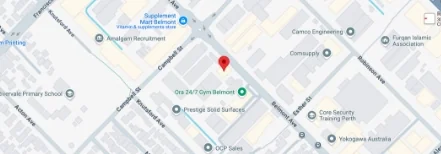
Phone: (08) 9322 2659 Email: enquiries@dranh.com.au Clinic: 88 Belmont Ave, Rivervale, WA 6104
Frequently Asked Questions
Are breast implants safe?
Yes, broadly speaking. Implants used in Australia are TGA-regulated and have a solid safety record overall, and the modern smooth and micro-textured ones carry a low chance of serious trouble. Like anything placed inside the body, though, they come with known risks such as capsular contracture, rupture, and a rare cancer of the immune system called BIA-ALCL. Staying under the long-term care of a specialist plastic surgeon isn’t an optional add-on, it’s part of looking after the implants properly.
Do breast implants cause cancer?
Breast implants do not cause breast cancer. Current evidence does not show that breast implants increase breast cancer risk. Breast implants are associated with a separate rare condition called BIA-ALCL, a cancer of the immune system that develops in the fluid or scar tissue around the implant rather than in breast tissue. Most BIA-ALCL cases are curable when caught early and treated with complete removal of the implant and capsule.
What is capsular contracture?
Capsular contracture is the tightening of scar tissue, called the capsule, that naturally forms around a breast implant. When the capsule contracts, the breast can feel firm, change shape, or become painful. Capsular contracture is graded I to IV on the Baker scale. Grade I and II cases are often monitored without intervention. Grade III and IV cases, where the breast is distorted or painful, typically require a capsulectomy combined with implant exchange.
What is BIA-ALCL, and how rare is it?
BIA-ALCL (breast implant-associated anaplastic large cell lymphoma) is a rare cancer of the immune system that develops in the fluid and scar tissue around a breast implant, not in breast tissue itself. TGA-published risk estimates are approximately 1 in 1,800 for polyurethane-coated implants, 1 in 2,400 for macro-textured implants, and 1 in 18,000 for micro-textured implants. No confirmed Australian cases have been reported in patients with smooth implants only. The highest-risk textured implants are no longer on the ARTG.
What is breast implant illness (BII)?
Breast implant illness (BII) is the term used to describe a range of symptoms some women report after receiving breast implants, including persistent fatigue, joint pain, brain fog, hair loss, and rashes. BII is not currently a formal medical diagnosis with established diagnostic criteria. Many women report symptom improvement after explant surgery. Research into the causes and mechanisms of BII is ongoing, and patient concerns should be taken seriously rather than dismissed.
Are silicone breast implants safe?
Modern silicone breast implants used in Australia are TGA-regulated and have a strong long-term safety record. Today’s cohesive silicone gel differs significantly from products associated with concerns in the 1990s. Silicone implants have been studied extensively for connective tissue disease and cancer associations, and current evidence does not support a causal link with either. Silent rupture is the primary monitoring concern and is assessed with MRI or high-resolution ultrasound.
Are textured breast implants still legal in Australia?
Macro-textured and polyurethane-coated breast implants, which carry the highest known BIA-ALCL risk, are no longer on the ARTG. Micro-textured implants remain available and carry an estimated BIA-ALCL risk of approximately 1 in 18,000. The TGA cancelled all breast implants containing micro-transponders from the ARTG in October 2025. Current TGA advice is that asymptomatic women with any of these implants do not need to have them removed, as the surgical risk of removal outweighs the BIA-ALCL risk in the absence of symptoms.
Further Reading
- Breast Augmentation in Perth: What to Expect
- How Long Do Breast Implants Last?
- Breast Implant Removal and Explant Surgery
- Recovery After Breast Augmentation
Medical References
- Therapeutic Goods Administration (TGA) — Breast Implants and Anaplastic Large Cell Lymphoma. https://www.tga.gov.au/safety/safety-monitoring-and-information/safety-alerts/breast-implants-and-anaplastic-large-cell-lymphoma
- Therapeutic Goods Administration (TGA) — Breast Implant-Associated Cancer (BIA-ALCL): Information for Consumers. https://www.tga.gov.au/breast-implant-associated-cancer-bia-alcl-information-consumers
- Therapeutic Goods Administration (TGA) — Breast Implants: Things to Consider Before Having a Procedure. https://www.tga.gov.au/breast-implants-things-consider-having-procedure
- Australian Breast Device Registry (ABDR). https://abdr.org.au/
- Australian Society of Plastic Surgeons (ASPS) — BIA-ALCL Information for Patients. https://plasticsurgery.org.au/protecting-patient-safety/bia-alcl/
- US Food and Drug Administration (FDA) — Risks and Complications of Breast Implants. https://www.fda.gov/medical-devices/breast-implants/risks-and-complications-breast-implants