Losing weight can make your breasts smaller, because breasts contain fat. How much they change is hard to predict, though, because breasts are also made of glandular tissue that doesn’t respond to weight loss in the same way. If you’re thinking about a breast reduction, a stable weight before surgery usually matters more than reaching a particular number on the scales.
Weight-loss medications have put this topic front and centre. Many women are noticing changes in their breasts as their weight comes down, and some are wondering whether they still need surgery, or whether to wait. This article looks at what happens to the breasts with weight change, menopause and ageing, and how that affects the timing and results of a breast reduction.
Does losing weight make your breasts smaller?
Often, yes, at least to some degree. Breasts are made of a mix of fatty tissue and glandular (milk-producing) tissue, held together by connective tissue and covered by skin. When you lose weight, the fatty part can shrink, so breast volume may go down.
The catch is that the balance between fat and gland differs a lot from person to person. Some women have breasts that are mostly fatty, and they may notice a big change in cup size as their weight drops. Others have denser, more glandular breasts that change very little, even after substantial weight loss. Age, genetics, hormones and pregnancy history all play a part, which is why two people who lose the same amount of weight can see quite different results.
Why can breasts look deflated after weight-loss medication?
Social media is full of posts about breasts that look deflated, emptier or saggier after fast weight loss on a GLP-1 weight-loss medication. The nicknames are catchy, but this isn’t a medical diagnosis.
There’s nothing unique about these changes. The medication isn’t thought to act directly on breast tissue; the changes come from the weight loss itself. When fat is lost quickly, the skin and supporting tissues don’t always have time to shrink back, so the breast can lose fullness, sit lower or look stretched. The same thing can happen after weight loss from diet and exercise, bariatric surgery or pregnancy.
Will weight loss shrink very large breasts enough to avoid surgery?
Sometimes, but often not. If large breasts are mostly fatty, weight loss may bring a meaningful reduction. If they’re largely glandular, weight loss may make only a small difference, and the heaviness, discomfort and bra strap grooves can remain.
Weight loss also tends to affect breast shape more than size for some women. The breasts may become smaller yet sit lower, with stretched skin, so they can still feel heavy or uncomfortable. For women whose breasts are mainly glandular, medication or dieting is generally not a substitute for a reduction when symptoms persist. Your GP and a Specialist Plastic Surgeon can help you work out which situation applies to you.
Should you lose weight before a breast reduction?
Surgeons generally prefer you to be at a stable weight before a breast reduction. If your weight keeps changing after surgery, your breast size and shape may change too, and the result may not be what you planned.
Exactly what counts as “stable”, and whether further weight loss is advisable first, is decided individually. Body mass index is one factor surgeons consider, as published studies associate obesity with a higher risk of complications such as wound healing problems. If you’re midway through a weight-loss journey, it’s often sensible to wait until your weight has settled.
On a GLP-1 or similar medicine? Let your surgeon and anaesthetist know early. These medicines slow down how quickly your stomach empties, and that matters when you have an anaesthetic. Current Australian anaesthetic guidance says every patient should be asked about them before a procedure. Don’t stop or adjust the dose yourself. Your treating team will tell you exactly what to do and when.
Breast reduction after significant weight loss or bariatric surgery
After major weight loss, many women find their breasts are smaller but have lost their shape. Common changes include loose or stretched skin, a flatter upper breast, nipples that point downward and breasts that sit lower on the chest.
What helps depends on what’s left. If you still have more volume than you’d like, a reduction can remove excess tissue and skin, and because it reshapes the breast and repositions the nipple, it also lifts. If you’re happy with your remaining size but bothered by sagging, a breast lift may be more appropriate.
Women whose breast changes followed pregnancy and breastfeeding sometimes combine procedures, which is covered on our post pregnancy surgery page. Combining procedures brings its own considerations for risk and recovery, and suitability is assessed individually.
Breast changes at menopause and in older patients
Breasts often change around menopause. As oestrogen levels fall, glandular tissue tends to be replaced by fat, and some women find their breasts become larger, heavier or softer, particularly if they gain weight at the same time. Others notice their breasts become smaller and less firm.
Breast reduction can be considered at any adult age, as long as your general health is suitable. Other health issues become more common with age, and some research suggests older women may have problems such as infection or slower wound healing more often. That’s why a thorough check before surgery matters. Your surgeon will ask about things like smoking, diabetes and heart conditions.
Weight change after a breast reduction
A breast reduction permanently removes breast tissue, but it doesn’t stop your breasts from changing in the future. Later weight gain, pregnancy, hormonal changes and ageing can all increase breast size again or alter shape.
For most people, the result of a reduction is long-lasting, especially if weight stays fairly steady. It’s better to think of it as a durable change rather than one that is fixed forever. If you’re planning a pregnancy, it’s worth discussing timing at your consultation, as pregnancy and breastfeeding can change the breasts, and reduction surgery may affect your ability to breastfeed.
Breast screening after surgery
Having a breast reduction doesn’t mean you can skip breast screening. Keep going to mammograms and breast checks when your GP or BreastScreen recommends them, and mention your surgery to the radiographer, because scar tissue can be visible on the images.
Your surgeon or GP may suggest a mammogram before surgery if you are in a screening age group, and a new baseline mammogram afterwards once healing has settled, so future images can be compared. Any tissue removed during surgery is usually sent for pathology testing.
Risks and recovery
Any surgical or invasive procedure carries risks. With breast reduction, these include bleeding, infection, delayed wound healing, scarring, changes in nipple or breast sensation, asymmetry, fat necrosis, effects on breastfeeding, and the possibility of further surgery. Our article on breast reduction scars explains what to expect from scarring.
A breast reduction may attract a Medicare rebate when it is medically indicated and strict criteria are met. A GP referral is required. See our article on Medicare and breast reduction for more detail. Before proceeding, you may wish to seek a second opinion from an appropriately qualified health practitioner.
FAQ
Will my breasts get smaller if I lose weight?
Usually a little, sometimes a lot. The fatty part of the breast shrinks as you lose weight, but the glandular part mostly stays the same. If your breasts are dense and glandular, you might not notice much difference.
Why do my breasts look deflated after weight-loss medication?
Fast weight loss, whatever the cause, can leave breasts looking emptier or saggier because the fat goes faster than the skin can shrink back. It has picked up nicknames online, but it isn’t a medical diagnosis.
Should I lose weight before a breast reduction?
Surgeons generally prefer you to be at a stable weight before a breast reduction, because later weight change can alter your result. If you’re actively losing weight, it’s often sensible to wait until it settles. Your surgeon will advise on your situation.
Can I have a breast reduction after menopause?
Yes. Breast reduction can be performed after menopause if your general health is suitable. Older patients may have a higher risk of some complications, such as infection, so a thorough health assessment is part of planning.
Will my breasts grow back after a reduction if I gain weight?
Removed tissue doesn’t grow back, but weight gain, pregnancy or hormonal changes can make your breasts larger again. Results are long-lasting rather than permanent. Keeping a stable weight helps maintain the result.
Can I have surgery while taking a GLP-1 medication?
Possibly, but you must tell your surgeon and anaesthetist. These medications slow stomach emptying, which matters for anaesthesia safety. Your treating team will give instructions based on current Australian anaesthetic guidance. Don’t stop your medication without advice.
Why choose Dr Anh for breast reduction in Perth
Dr Anh Nguyen is a female Specialist Plastic Surgeon based in Perth. She holds an MBBS (Hons) and a Postgraduate Diploma in Surgical Anatomy (PGradDipSurgAnat), and is a Fellow of the Royal Australasian College of Surgeons in Plastic and Reconstructive Surgery, FRACS (Plast). She is registered with AHPRA as a Specialist Plastic Surgeon (registration number MED0001193810) and is a member of the Australian Society of Plastic Surgeons (ASPS) and the Australasian Society of Aesthetic Plastic Surgeons (ASAPS).
Dr Anh combines her surgical training with a compassionate approach, giving each patient individualised attention. She was inducted into the Western Australia Women’s Hall of Fame for her contribution to healthcare, and named Business Entrepreneur of the Year WA in the Telstra Business Women’s Awards.
At consultation, Dr Anh talks with you about your weight history, any medications, your symptoms and your goals. She examines your breasts, discusses timing and whether a reduction, a lift or another approach may suit you, and explains the risks and recovery involved. A GP referral is required.
Dr Anh is listed in these professional society directories:
- Australasian Board Certified Plastic Surgeons (ANZBCPS): https://boardcertified.org.au/surgeon/anh-nguyen/
- Australian Society of Plastic Surgeons (ASPS): https://plasticsurgery.org.au/surgeon/dr-anh-nguyen/
- Australasian Society of Aesthetic Plastic Surgeons (ASAPS): https://aestheticplasticsurgeons.org.au/surgeon/anh-nguyen/
Follow Dr Anh on Facebook (https://www.facebook.com/DrAnhNguyen/) and Instagram (@dranhnguyen).
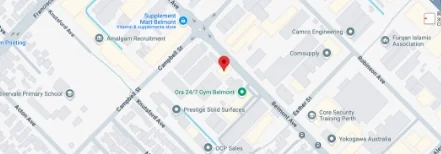
To arrange a consultation, call (08) 9322 2659 or email enquiries@dranh.com.au. The clinic is at 88 Belmont Ave, Rivervale WA 6103.
Further reading
- Breast reduction surgery: what do I need to know about recovery?
- Breast reduction mammoplasty Medicare cover in Perth
- Breastfeeding after breast reduction or lift
- How long does a breast lift last?
Medical references
- Better Health Channel (Victorian Government), Breast reduction for women
- healthdirect, Menopause
- Australian Society of Plastic Surgeons, Breast reduction
- ANZCA, GLP-1 receptor agonists: clinical practice recommendations
- Hocking SL et al. 2025 ADS/ANZCA/GESA/NACOS clinical practice recommendations on the peri-procedural use of GLP-1/GIP receptor agonists. Anaesth Intensive Care. 2025
- BreastScreen WA
- American Society of Plastic Surgeons, Breast reduction
Disclaimer: This article provides general information only and is not a substitute for personalised medical advice. Any surgical or invasive procedure carries risks. Results and recovery vary between individuals. Do not start, stop or change any medication without advice from your doctor. Please speak with your GP or a qualified health practitioner about your circumstances, and consider seeking a second opinion before proceeding with surgery.